








TL;DR: Skipping brushing lets a sticky film of bacteria called plaque coat your teeth. Within 24–48 hours, this plaque starts attacking enamel and can harden into tartar. By the end of the first week, your gums often become inflamed and bleed. Within weeks to months, the damage can progress to permanent bone loss and tooth decay. Early stages are completely reversible, but once periodontitis sets in, the damage is lifelong. Brushing twice a day stops this entire cascade before it starts.

Within Minutes, a Sticky Film Coats Your Teeth
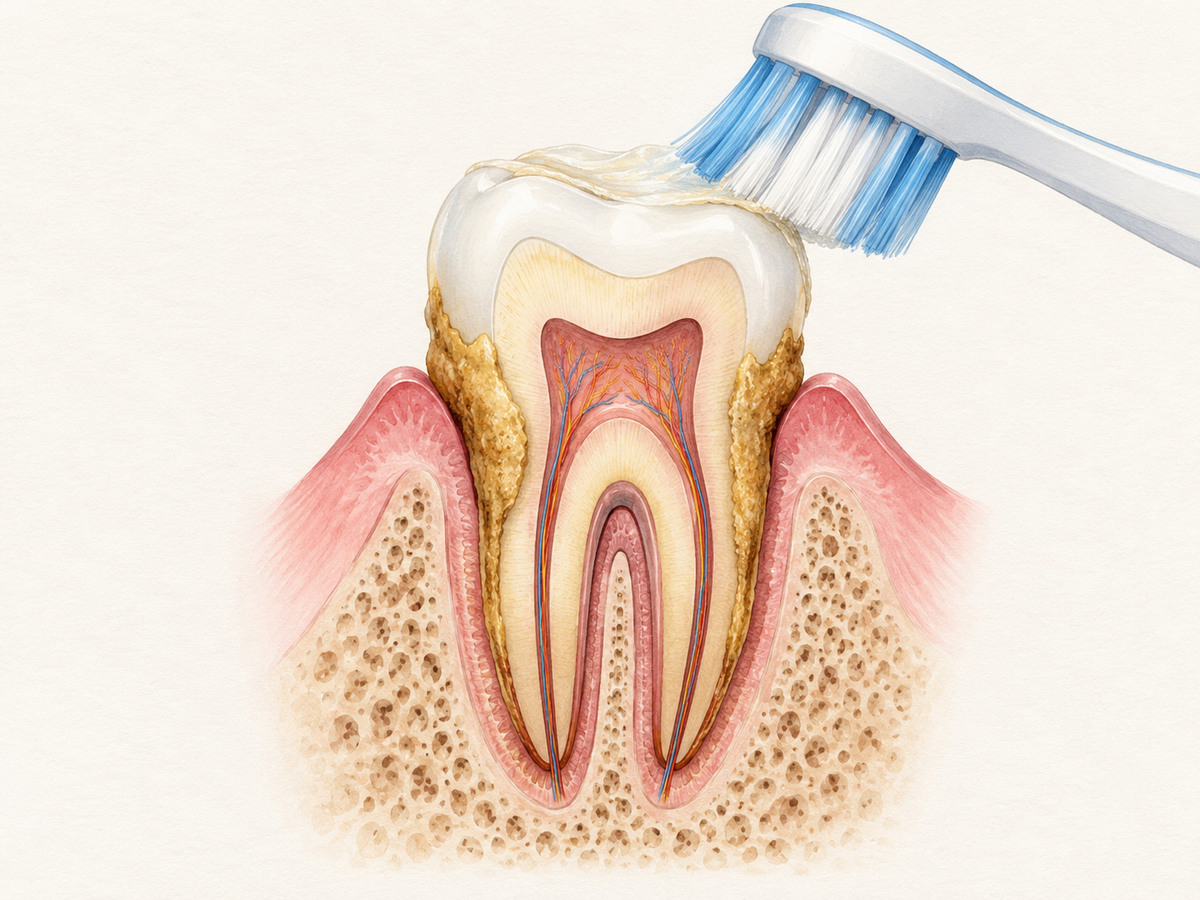
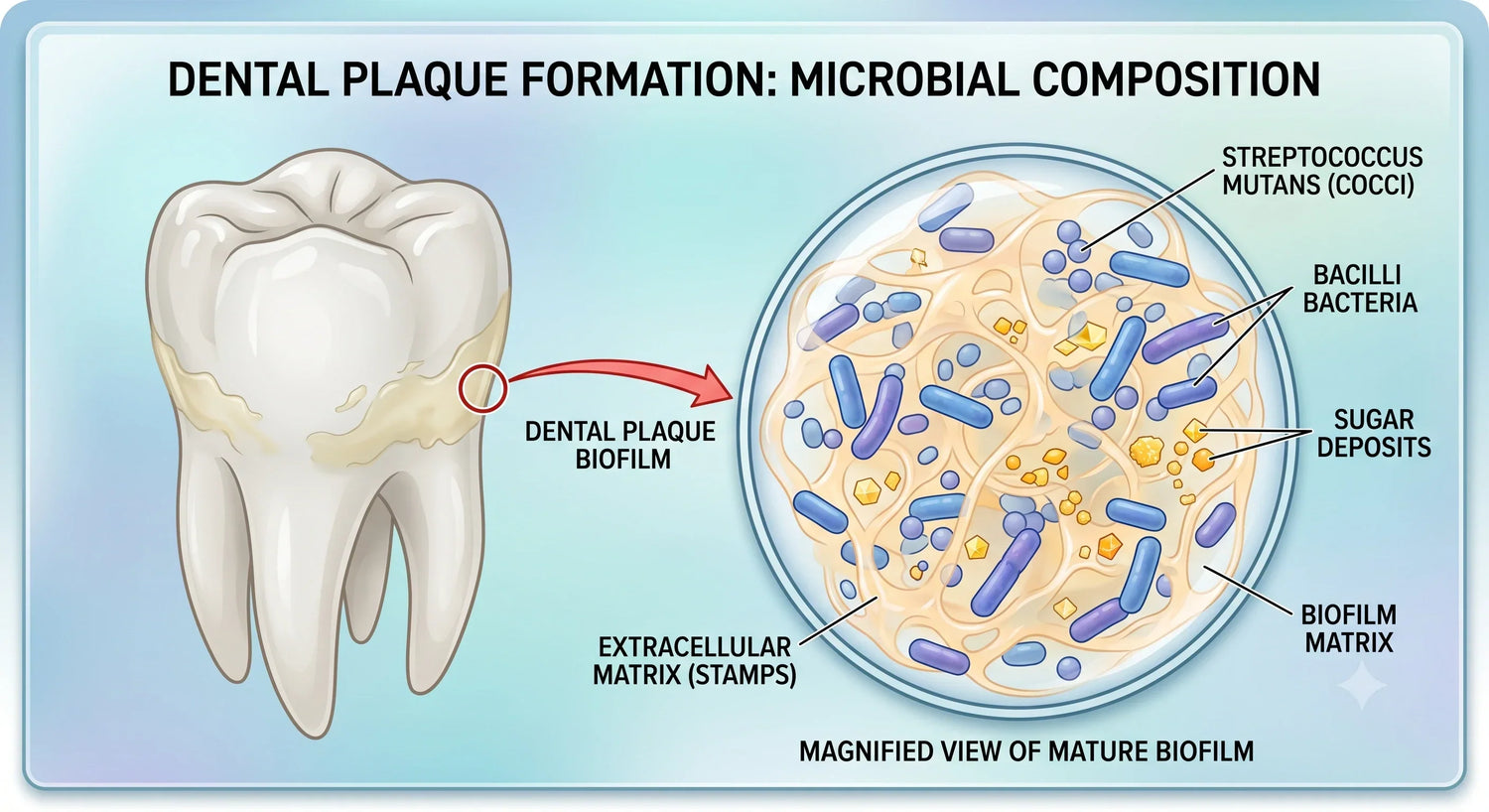
The moment you finish a meal, invisible bacteria in your mouth get to work. A thin, sticky layer called dental plaque forms on every surface of your teeth. It’s a bustling biofilm packed with millions of microorganisms, particularly Streptococcus mutans, which thrives on sugars and starches left behind from food and drinks.
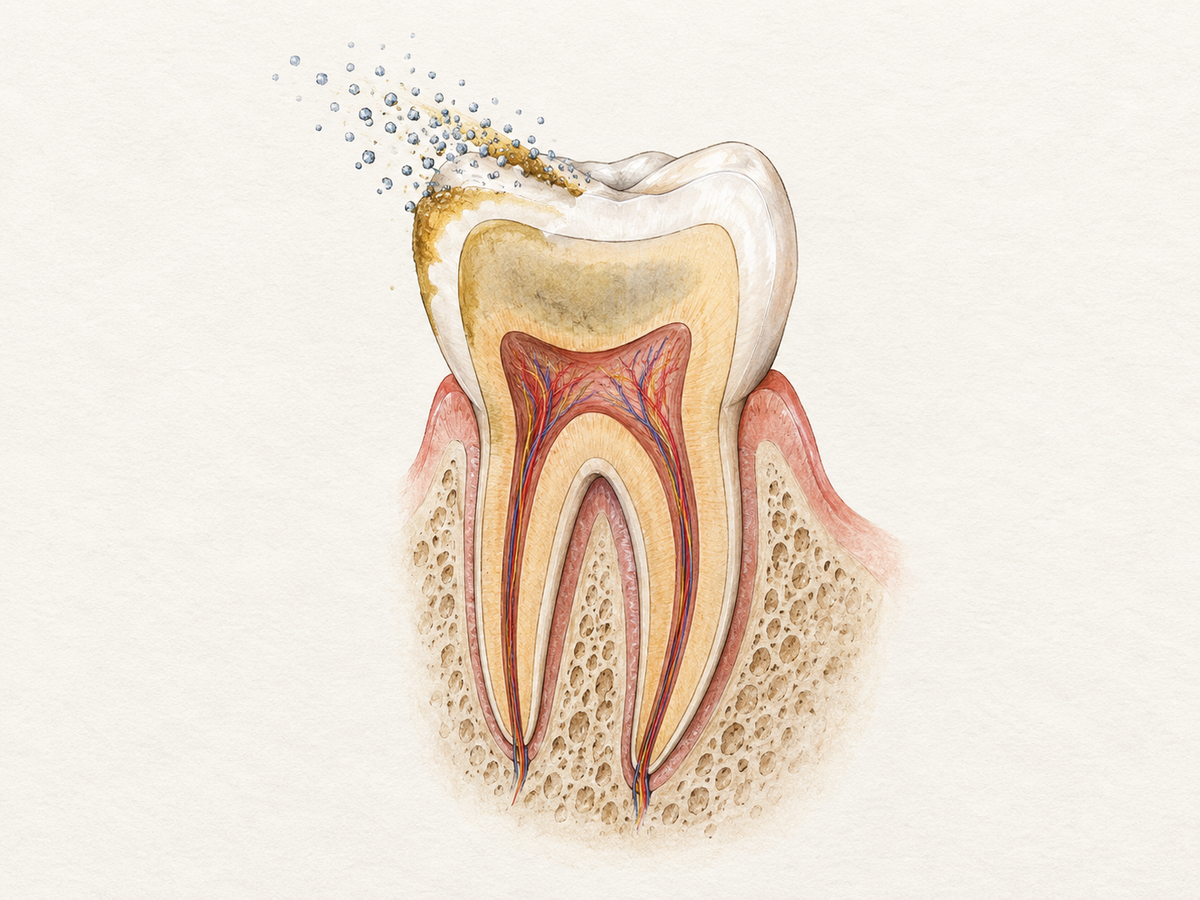
As these bacteria digest those carbohydrates, they release acids that instantly begin leaching minerals from your tooth enamel. This process, enamel demineralization, creates microscopic weak spots that will eventually become cavities.
At the same time, tiny food particles trapped between teeth start to rot, releasing foul-smelling sulfur compounds. The result is that sour, morning-breath odor—a direct signal that bacteria are multiplying rapidly.
“In the first 24 hours, everything is fully reversible. A thorough brushing removes the plaque, stops the acid attack, and allows saliva to begin repairing early mineral loss,” explains preventive dentistry.
The surprising truth? Bacteria double in number every few hours, and the sheer speed of regrowth catches many people off guard. A clean mouth can rebuild a substantial plaque layer in less than a single day.
When Plaque Hardens Into Tartar
Skipping brushing for one to three days changes the game entirely. If plaque isn’t physically disrupted, it begins absorbing calcium and phosphate minerals from your saliva. The once-soft biofilm calcifies into a rock-hard substance called tartar (dental calculus).
Once tartar forms, no toothbrush—manual or powered—can scrape it off. The rough, cement-like surface acts like a magnet for more bacteria, accelerating the cycle of damage. This is the “point of no return” for self-cleaning, and a professional dental cleaning becomes essential.
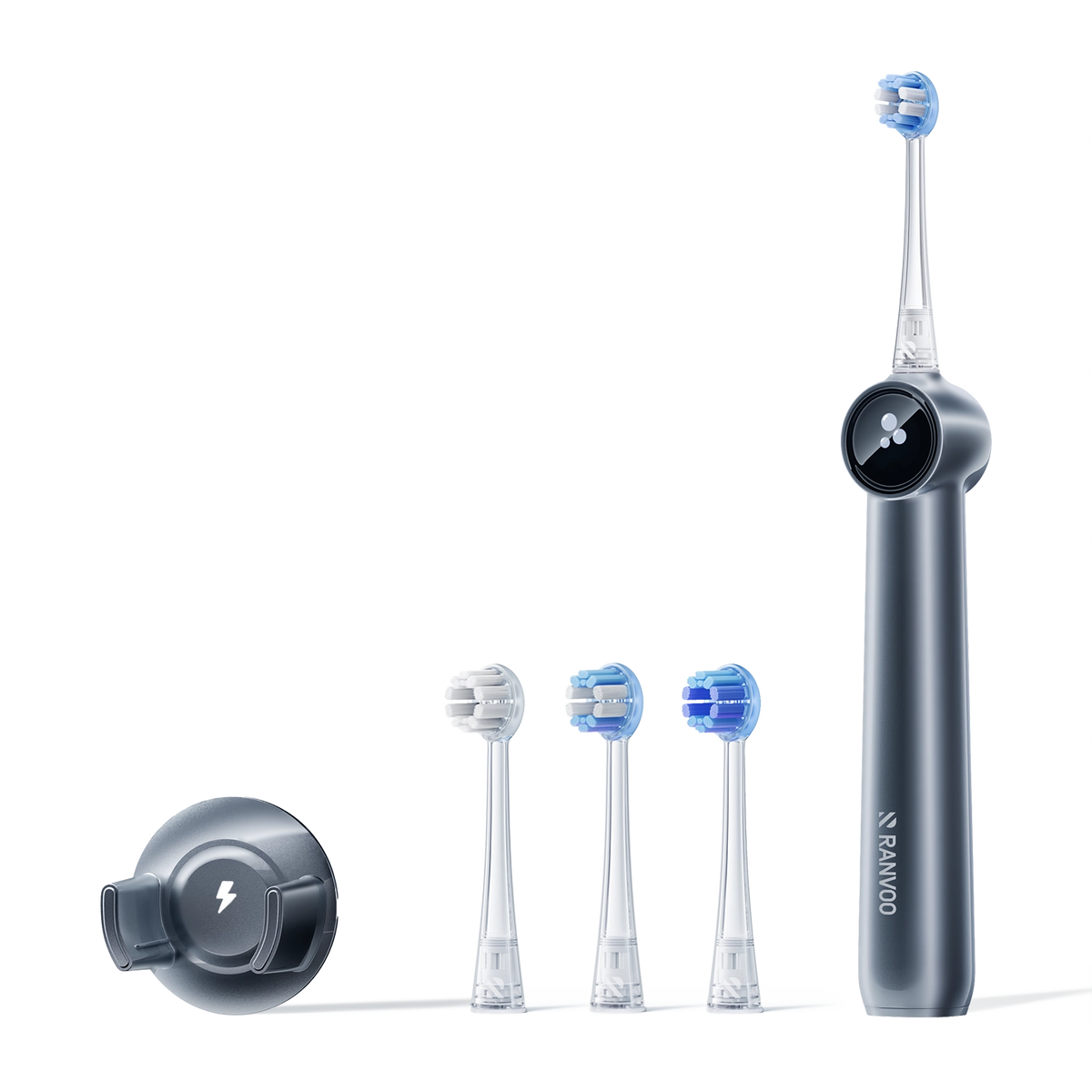
Many people don’t realize that even a manual toothbrush can leave behind plaque in hard-to-reach areas. An [electric toothbrush](/pages/airjet-x5-2026-electric-toothbrush-learn-more), with its oscillating or sonic motion, can break up this biofilm more effectively, reducing the risk of tartar buildup. When you’re trying to prevent calcified deposits from setting up shop, thorough plaque removal makes a critical difference.
Gingivitis: Your Body’s Early Warning Signal
With tartar accumulating along the gumline, your immune system sounds the alarm. Bacterial toxins irritate the soft tissues, triggering gingivitis—redness, swelling, and tenderness, often within a week.
For many, the most noticeable sign is blood in the sink after brushing or flossing. Far from being a reason to stop cleaning, bleeding gums are your body’s way of saying there’s an infection that needs attention. At this stage, the damage is still confined to the gums and has not touched the bone or ligaments holding your teeth.
Gingivitis is completely reversible with resumed daily brushing, flossing, and a dental cleaning. This is the critical window where action prevents permanent harm.
For those with sensitive, bleeding gums, a [sonic electric toothbrush](/pages/airjet-x5-2026-electric-toothbrush-learn-more) can be gentler while still clearing plaque from just below the gumline. Correct technique and patience—rather than aggressive scrubbing—help reverse inflammation and get gums back to a healthy pink.

When Gum Disease Goes Deeper: Periodontitis and Permanent Bone Loss
Ignoring gingivitis allows inflammation to spread beneath the gums, creating pockets between teeth and tissue. Bacteria move deeper, and the body’s own immune response begins mistakenly breaking down the alveolar bone and periodontal ligaments that anchor teeth in place. This advanced stage is called periodontitis.
The timeline varies—weeks to months—but the outcome is always irreversible. Bone, once lost, does not grow back. A meta-analysis of 14 studies found that infrequent toothbrushing was associated with a 41% higher odds of severe periodontitis, cementing the connection between daily habits and catastrophic gum disease. A landmark 40-year study of individuals without oral care revealed that those with advanced disease lost an average of 13 teeth due to progressing periodontitis, and one in six became completely toothless.
Teeth gradually loosen, shift, and eventually fall out. What begins as a minor habit slip ends in a life-changing loss of function and appearance—all of which was preventable.
Beyond the Mouth: How Oral Bacteria Threaten Your Whole Body
The consequences don’t stay in your mouth. Chronic inflammation and oral bacteria can enter the bloodstream through bleeding, ulcerated gums. Once circulating, they contribute to a startling range of systemic conditions:
- Cardiovascular disease: Bacteria can adhere to heart valves and arterial plaques. A 2024 systematic review found that regular toothbrushing was linked to a lower risk of developing hypertension and a 25% lower mortality risk in people with cardiovascular disease.
- Diabetes complications: Gum disease worsens blood sugar control, creating a destructive two-way relationship.
- Infective endocarditis: Oral bacteria that reach the heart can cause life-threatening valve infections.
- Alzheimer’s disease: Emerging research has identified Porphyromonas gingivalis—a key periodontitis pathogen—in the brains of patients, hinting at a direct role in neurodegeneration.
- Adverse pregnancy outcomes: Severe gum disease is associated with preterm birth and low birthweight, driven by systemic inflammation.
What seems like a simple tooth problem can transform into a whole-body threat, reinforcing why oral hygiene isn’t just about a nice smile.
Bad Breath, Stained Teeth, and the Emotional Toll
Eventually, the signs become impossible to ignore socially. Halitosis—chronic bad breath—doesn’t respond to mints or mouthwash because it’s caused by decaying food, bacterial waste products, and infection deep in gum pockets. The volatile sulfur compounds create a sour, persistent odor that fills conversations with anxiety.
Visibly, teeth take on yellow and brown stains from layered tartar. Obvious cavities appear as gray, black, or dark brown holes, and enamel thins to reveal the yellowish dentin underneath. Advanced decay leads to dental abscesses—painful, pus-filled infections that can spread to the jaw and face, sometimes requiring emergency dental surgery.
The cosmetic and functional damage can erode self-confidence, limit social interactions, and even affect career opportunities. Many people report deep shame and anxiety once they realize the extent of the changes. The financial cost stacks up quickly: a simple routine filling costs a fraction of a root canal, crown, or dental implant—procedures that often follow years of neglect.
A toothbrush and floss cost pennies a day. Treating a single severe cavity can cost hundreds to thousands of dollars. Prevention isn’t just healthier—it’s dramatically cheaper.
Is It Too Late to Fix the Damage?
The reassuring truth: early gingivitis is fully reversible. With a return to twice-daily brushing, daily flossing, and a professional cleaning to remove tartar, gum tissue can heal completely within a few weeks.
Once periodontitis has set in, the goal shifts to management. Deep cleanings (scaling and root planing) can halt the disease’s progression, but lost bone will not regenerate. The sooner you act, the more teeth and supporting structures you save. Even if you’ve been neglectful for months, taking action now prevents further destruction and preserves your smile.
Your dental team will never judge. They’ve seen every stage and know that the courage to book an appointment is the hardest step.

Two Minutes, Twice a Day: The Prevention That Works
The entire cascade—from a sticky film to tooth loss and systemic disease—stops with a few minutes of care. Brush twice daily for two minutes using a fluoride toothpaste, which remineralizes early enamel damage. Floss or clean between teeth once a day to disrupt plaque where your brush can’t reach.
Keep the tone encouraging, not scolding. You don’t need perfect technique from day one. What matters is consistency. A few minutes of care each morning and night save years of pain, medical appointments, and regret. Your teeth—and your whole body—deserve that small investment.