



TL;DR: Tongue scraping takes just 10 seconds a day, removes the film of bacteria that causes bad breath, and works significantly better than brushing your tongue with a toothbrush. A comparative clinical trial found that scrapers reduced odor-causing volatile sulfur compounds by 75%, compared to a 45% reduction with a toothbrush alone. Mastering the simple back-to-front stroke is all it takes to make your mouth feel dramatically fresher.

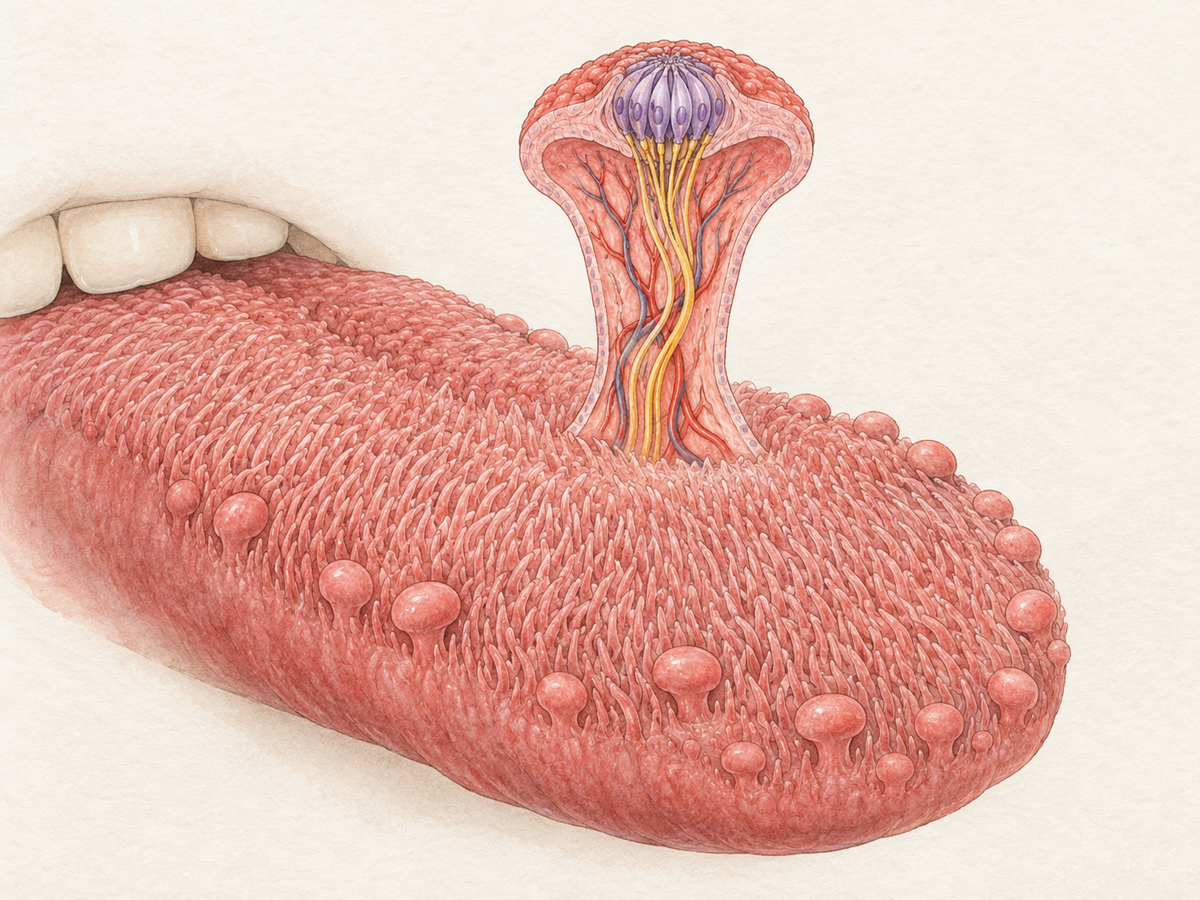
Your tongue is a haven for bacteria. Its textured surface, full of tiny filiform papillae, traps food particles, dead cells, and billions of microorganisms. This buildup — known as tongue coating — is the number one source of halitosis, or persistent bad breath. While brushing your teeth is essential, a toothbrush’s bristles simply can’t flatten and clear the coating from deep within the grooves of your tongue. A tongue scraper, a dedicated tool with a smooth, rounded edge, is designed specifically for this job. Using it daily can dramatically cut the load of odor-producing bacteria and leave your breath noticeably fresher.
What You’ll Need
Getting started is almost effortless. Grab just a few basics: - A tongue scraper. Metal (stainless steel or copper) and plastic options both work well. A U-shaped design often feels more stable, but any scraper you have on hand will get the job done. - A mirror. So you can see the coating you’re removing and place the scraper accurately. - Running water. For rinsing the scraper between passes.
That’s it. There’s no toothpaste, no special gel — the tool does all the work.
Step 1: Find the Right Starting Position
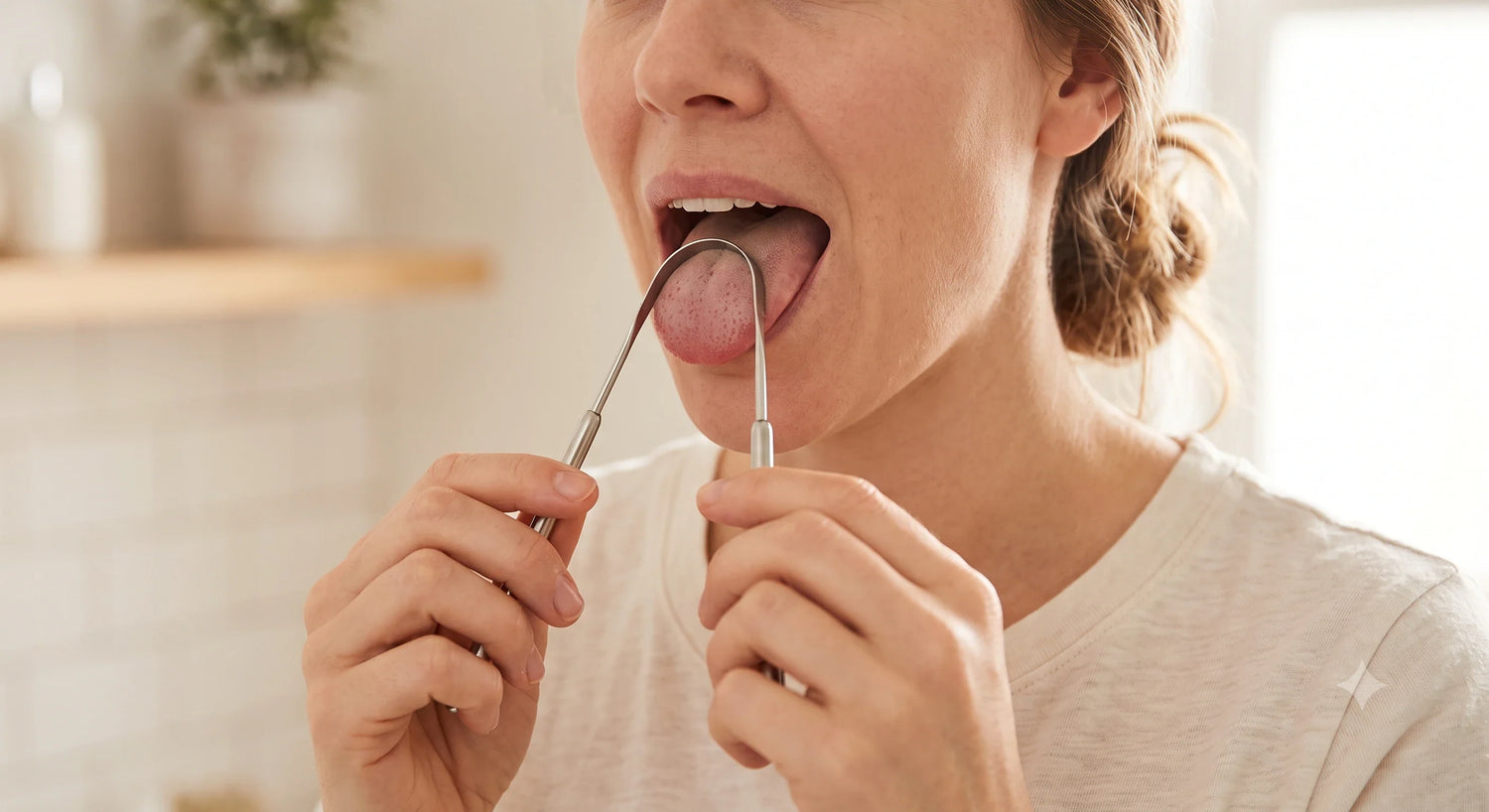
Stand in front of your mirror, open your mouth comfortably, and stick your tongue out as far as you can. The goal is to place the round edge of the scraper on the back portion of your tongue — ideally the posterior third — before you trigger your gag reflex. If you’re new to this, don’t force it. Start mid-tongue and over a few days gently inch farther back. Exhaling through your nose as you reach back often calms the gag reflex. Over time, your threshold will move further rearward, giving you access to the area where anaerobic bacteria churn out the most volatile sulfur compounds (VSCs), the molecules responsible for rotten-egg breath.
Step 2: Apply Gentle, Even Pressure
Press the scraper firmly enough to make complete contact with the tongue’s surface. You should feel a smooth resistance, not pain. Think about gliding a credit card across a tabletop — you want a steady, broad sweep, not a sharp dig. A lighter touch is almost always more effective than brute force. Heavy pressure can irritate delicate papillae and even cause small abrasions, which may trap more bacteria over time. Let the edge of the tool do the work.
Step 3: Pull Forward in One Smooth Motion
Now comes the core movement: pull the scraper toward the tip of your tongue in a single, controlled stroke without lifting it. Do not saw back and forth — that just redistributes the gunk you’re trying to remove. Imagine you’re wiping a thin layer of yogurt off a spoon: one clean pull removes the entire film. The stroke should take about one to two seconds. As you finish, you’ll see a beige, white, or yellowish residue accumulate on the scraper’s edge — that’s the tongue coating leaving your mouth for good.
Step 4: Rinse, Repeat, and Know When to Stop
After each stroke, rinse the scraper under running water to clear away the biofilm. Then repeat the same back-to-front motion. Two to four strokes are usually enough. Stop when your tongue looks pink and feels fresh — not raw or stinging. If you notice any irritation, you’re either scraping too hard or doing too many passes. The habit should never be aggressive.

A note on scraper maintenance: After each use, wash the tool with warm water and mild soap, dry it (if metal), and store it in a clean, dry place. Replace plastic scrapers every three to six months; metal versions can last far longer but should be cleaned thoroughly. A clean instrument prevents reintroducing bacteria the next morning.
Pro Tips for Even Better Results
Build these small adjustments into your routine, and the freshness will last all day.
- Scrape before you brush, not after. Doing it first means you remove the debris and bacteria without washing away the protective fluoride from your toothpaste. A clean tongue also lets any antibacterial mouthwash work more effectively later.
- Use a mirror for precision. Watching yourself helps you stay centered and see exactly where coating remains, especially at the edges of the tongue.
- Scrape a dry tongue. For best results, do your scraping right after waking, before drinking water or rinsing. A dry surface allows the scraper to lift off the sticky film more easily.
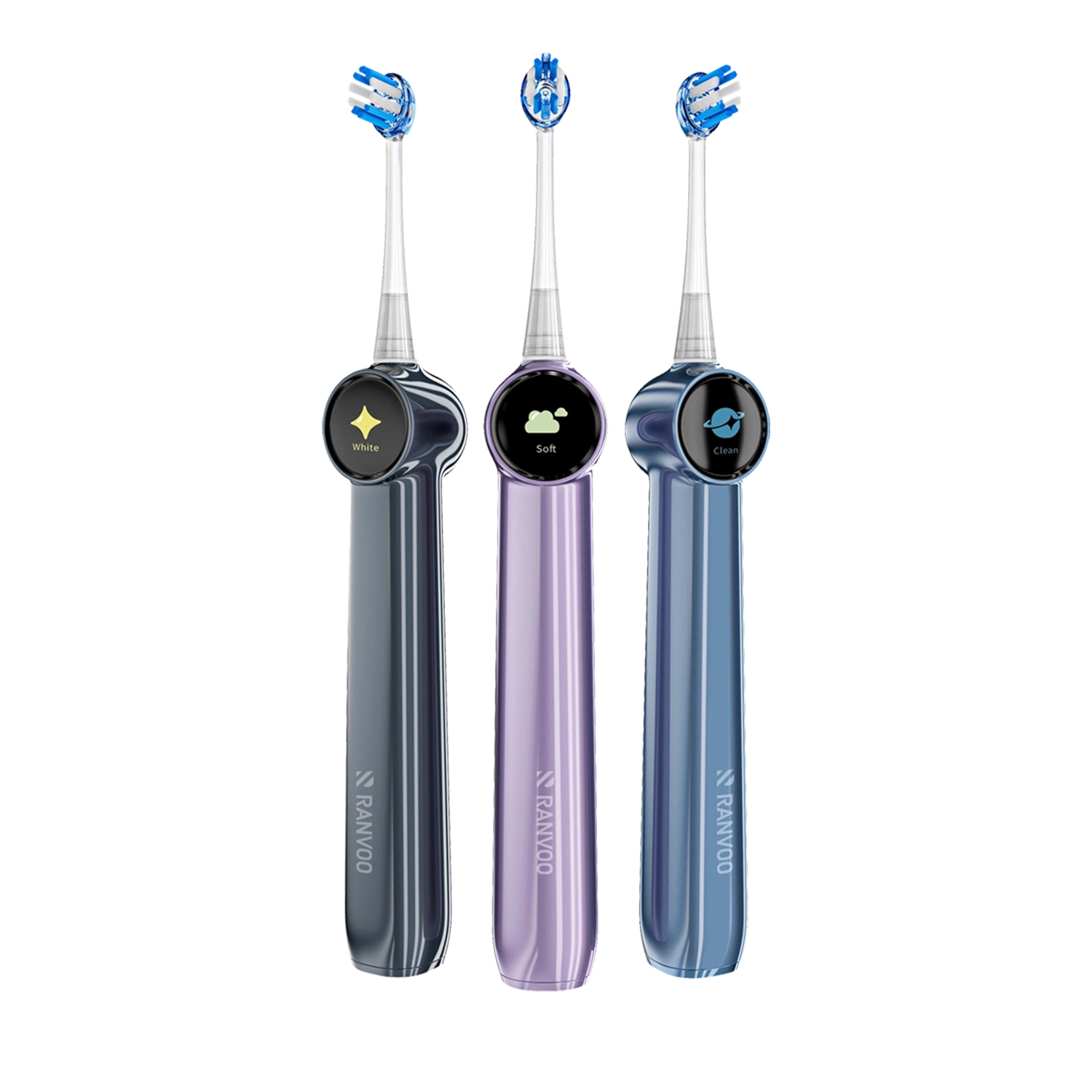
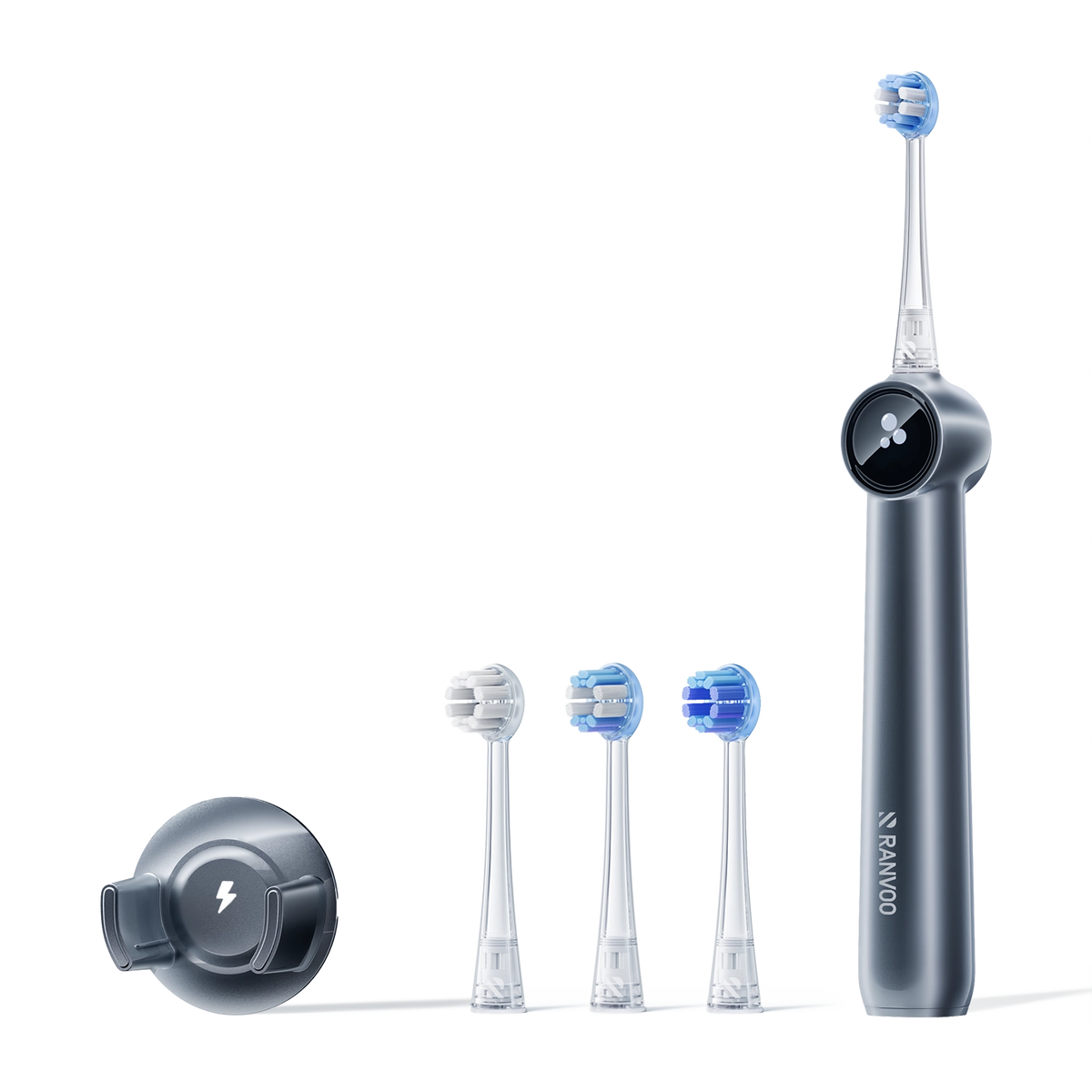
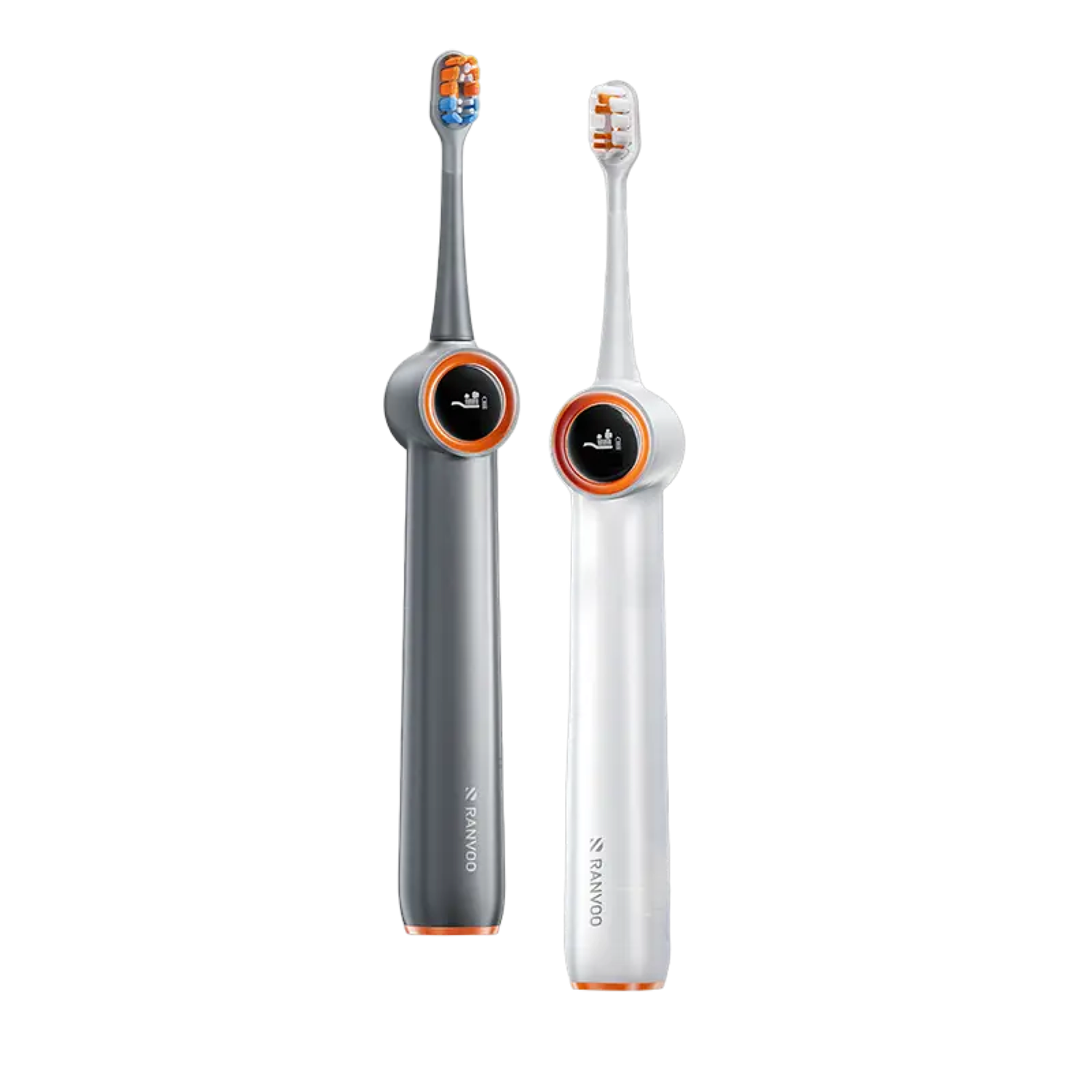
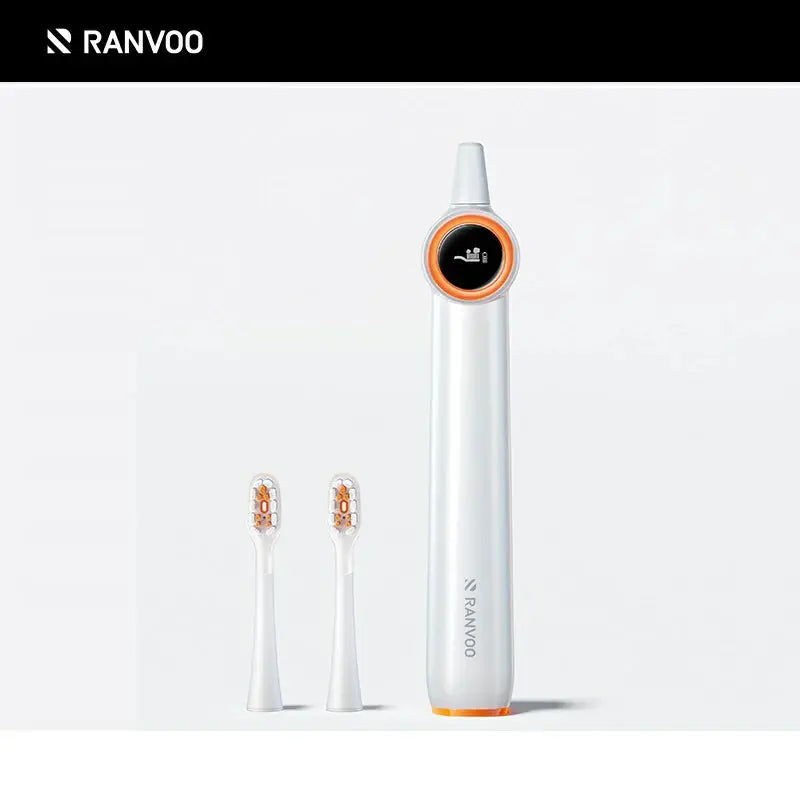
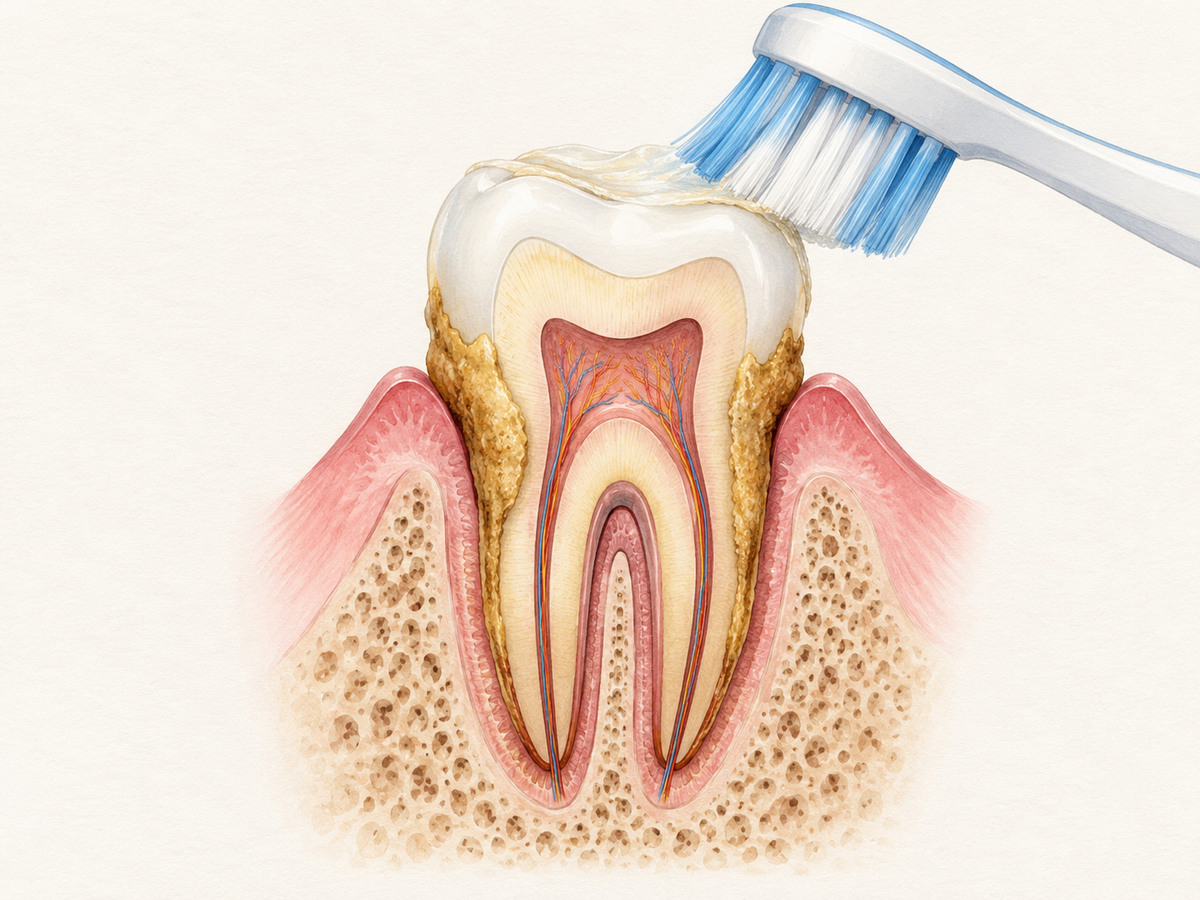
- Incorporate it into a full oral hygiene routine. Tongue scraping is just one piece of the puzzle. To make your daily routine even more effective, consider pairing tongue cleaning with an electric toothbrush. The consistent, high-speed bristle motion helps disrupt plaque and bacteria on teeth and along the gumline far more thoroughly than a manual brush, complementing the freshness you get from a clean tongue.
A meta-analysis of randomized controlled trials confirmed that toothbrushing plus tongue cleaning significantly reduced both halitosis and tongue coating compared to brushing alone. So think of it as a one-two punch: scrape to tackle the tongue, and brush (ideally with an electric toothbrush) to keep the rest of your mouth equally polished.
Common Mistakes That Ruin the Routine
Even a simple tool can be used poorly. Watch out for these pitfalls and correct them quickly:
- Scraping too hard. If your tongue feels tender or bleeds slightly, dial back the pressure immediately. A gentle drag is enough.
- Skipping the back of the tongue. The posterior third houses the highest concentration of anaerobic bacteria. If you only clean the tip, bad breath will return within hours. Each week, inch a little farther back.
- Using a toothbrush instead. While brushing the tongue is better than nothing, dedicated studies show that a tongue scraper outperforms a toothbrush. It removes more coating and reduces VSC levels more dramatically. Invest in the proper tool.
- Going back and forth. Remember: one smooth pull toward the front. Back-and-forth motions just smear bacteria around.
- Forgetting to rinse between strokes. A coated scraper just re-deposits debris. Rinse every single time under running water.
- Scraping right after a meal. Acidic foods and beverages temporarily soften tongue tissue. Wait at least 30 minutes to avoid irritation.
Make It a Daily Habit
Tongue scraping isn’t an occasional deep-cleaning task — it’s a 10-second morning ritual that pays off all day long. When you feel your tongue, smooth and clean, you’ll immediately notice fresher breath and a brighter taste sensation. For an even more complete clean, a sonic electric toothbrush delivers thousands of brush strokes per minute, helping to remove plaque and prevent gum disease so your whole mouth feels as revitalized as your tongue. Pair this duo with flossing and a fluoride rinse, and you’ve built an oral care routine that doesn’t just mask bad breath — it eliminates its root cause.
Start tomorrow morning. Stick your tongue out, set the scraper far back, and feel just how much better your mouth can feel.