

Can You Put Mouthwash in a Water Flosser?

Can You Put Mouthwash in a Water Flosser?

TL;DR: Yes, you can — but only heavily diluted, and you must clean it immediately. Water alone is already clinically proven to be highly effective. Mouthwash adds only a “pleasant experience,” not extra cleaning power, and misuse can damage your device.

The idea of putting mouthwash in your water flosser device is a viral trend, but it comes with serious caveats. There’s a right way and a wrong way — and the wrong way can void your warranty or corrode internal seals. This article separates fact from hype, using what dentists and manufacturers actually say.

A modern, bright bathroom countertop with a cordless water flosser and a bottle of blue mouthwash. The flosser reservoir is empty, and a soft, translucent red circle with a diagonal line overlay hovers subtly over the mouthwash bottle, suggesting a warning. Soft natural daylight from a window, crisp product photography style with shallow depth of field, clean white tiles in the background.

What Happens When You Mix Mouthwash with Your Water Flosser?

Mouthwash is not just water. It contains alcohol, essential oils, dyes, and antibacterial agents. When these run through a water flosser’s pump and tubing, they can degrade plastic and rubber components. Alcohol in mouthwash attacks the thermoplastic elastomers in seals, making them brittle over time. Oily ingredients leave residue that’s hard to flush, leading to bacterial buildup.

The device’s primary job is mechanical — a pressurized stream dislodges debris. Adding mouthwash changes the liquid but doesn’t supercharge the cleaning. In fact, Waterpik states plainly that “using a standard mouthwash or antiseptic mouthwash at a 1:1 ratio or less with water provides a pleasant experience, but it is not clinically evaluated to determine any benefits beyond using water alone.”¹

Water vs. Mouthwash in a Flosser

Aspect Plain Water Diluted Mouthwash
Plaque removal Clinically proven No proven added benefit
Gum health Effective via mechanical flushing Potentially irritating to sensitive gums
Device safety No risk Risk of corrosion, residue, clogging
Maintenance Minimal Requires immediate flush with plain water

Why Most Manufacturers Advise Against Using Mouthwash

The official stance from major brands is caution. Here’s why:

  • Internal seals and tubing: Alcohol and essential oils can harden or dissolve rubber seals.
  • Warranty void: Many manuals explicitly warn that non-water liquids void coverage. If residue is found, a return might be rejected.
  • Clogging risks: Chlorhexidine and essential oil rinses can stain and thicken, potentially clogging the narrow water channels.

Waterpik’s website specifically lists water insoluble concentrated essential oils, iodine, baking soda, and saline solutions in cordless units as substances that “can reduce performance or shorten the life of the product.”²

When Is It Okay to Use Mouthwash in a Water Flosser?

A few rare circumstances make it reasonable: when a dentist prescribes a therapeutic rinse like chlorhexidine for gum disease, and your device manual explicitly permits it. Waterpik notes that chlorhexidine has been clinically tested for use in their flossers, but only when diluted and used under professional guidance.¹

Caution: Never use undiluted mouthwash. Standard mouthwash must be no more than a 1:1 ratio of mouthwash to water. Antiseptic versions follow the same rule. Always flush with plain water afterwards.

The Real Benefits of Adding Mouthwash to Your Flossing Routine – Separating Myth from Fact

Does Mouthwash Increase Plaque Removal?

Water flossers work by hydraulic force — not by the liquid’s chemical composition. Numerous clinical studies demonstrate that water alone significantly reduces plaque and gingivitis.³ Dr. Sasha Ross, a dentist at Cleveland Clinic, recommends warm water, not mouthwash, for routine use.⁴ Adding mouthwash might make the experience fresher, but it does not physically remove more plaque.

Can Mouthwash Help with Gum Health During Water Flossing?

Antiseptic mouthwashes can reduce oral bacteria and help manage gingivitis when used as a separate rinse. However, blasting them through a flosser at pressure can sometimes irritate inflamed gums, especially if the manufacturer instructions didn’t design the device for anything but water. For most people, the safest and most effective gum health strategy is water flossing followed by a mouthwash rinse — not mixed.

How to Safely Use Mouthwash with a Water Flosser (If You Must)

If you decide to proceed, treat these steps like a recipe you can’t alter:

The Correct Dilution Ratio for Mouthwash in a Water Flosser

  • Never exceed 1 part mouthwash to 1 part water.
  • A lighter mix (1:3 or less) is safer for the machine’s longevity.
  • Pre-mix in a separate cup, don’t pour mouthwash directly into the reservoir.

Step-by-Step Guide to Using a Mouthwash Rinse After Water Flossing

The safest way to combine both habits is to keep them separate:

  1. Fill the reservoir with lukewarm water.
  2. Floss as usual, targeting the gumline and between teeth.
  3. Empty any remaining water.
  4. Rinse your mouth with mouthwash for 30 seconds — just like a normal rinse.
  5. Spit it out. The flosser stays clean, no residue, no risk.
A smiling woman in her late 20s with a warm expression, leaning over a bathroom sink, using a cordless water flosser. Water droplets are visible near her mouth. On the counter beside her, a clear cup filled with blue mouthwash sits ready, separate from the flosser. The scene conveys a two-step routine. Bright diffused daylight, shallow depth of field focusing on the action, clean and uncluttered setting, realistic lifestyle photography.

Where to Find Mouthwash-Friendly Water Flossers

Some features make a device slightly more tolerant:

  • Anti-microbial reservoirs that resist residue buildup
  • Fully removable tanks for easier cleaning
  • Slightly larger tubing (less likely to clog)
  • Check your manual: a few brands note they allow diluted mouthwash if flushed immediately.

For example, Waterpik’s product support page offers a “YES - Safe to Use” list that includes standard mouthwash and antiseptic mouthwash.¹ However, even then the flushing requirement is nonnegotiable. If your device is cordless, be extra cautious — the sealed battery compartment can’t handle internal leaks.

Common Mistakes People Make When Putting Mouthwash in a Water Flosser

  • Using undiluted mouthwash — direct concentrate eats away at seals.
  • Not rinsing the unit afterward — residue hardens and breeds bacteria.
  • Adding essential oils like tea tree — they don’t dissolve and stick to tubing.
  • Leaving the mixture in the tank overnight — mold and corrosion can start within hours.
  • Assuming “more is better” — excess alcohol dries out gum tissue and damages the device faster.

Expert-Backed Alternatives to Boost Your Water Flossing Water

Before you reach for mouthwash, talk to your dentist about gentler options:

  • A pinch of salt (only in countertop models, not cordless) — soothes gums and is mildly antibacterial.
  • A few drops of 3% hydrogen peroxide diluted with at least 1 part peroxide to 4 parts water — but note that peroxide breaks down on contact with air, so it offers limited lasting benefit.⁴
  • Simply using warm tap water remains the gold standard, clinically proven to disrupt plaque effectively.

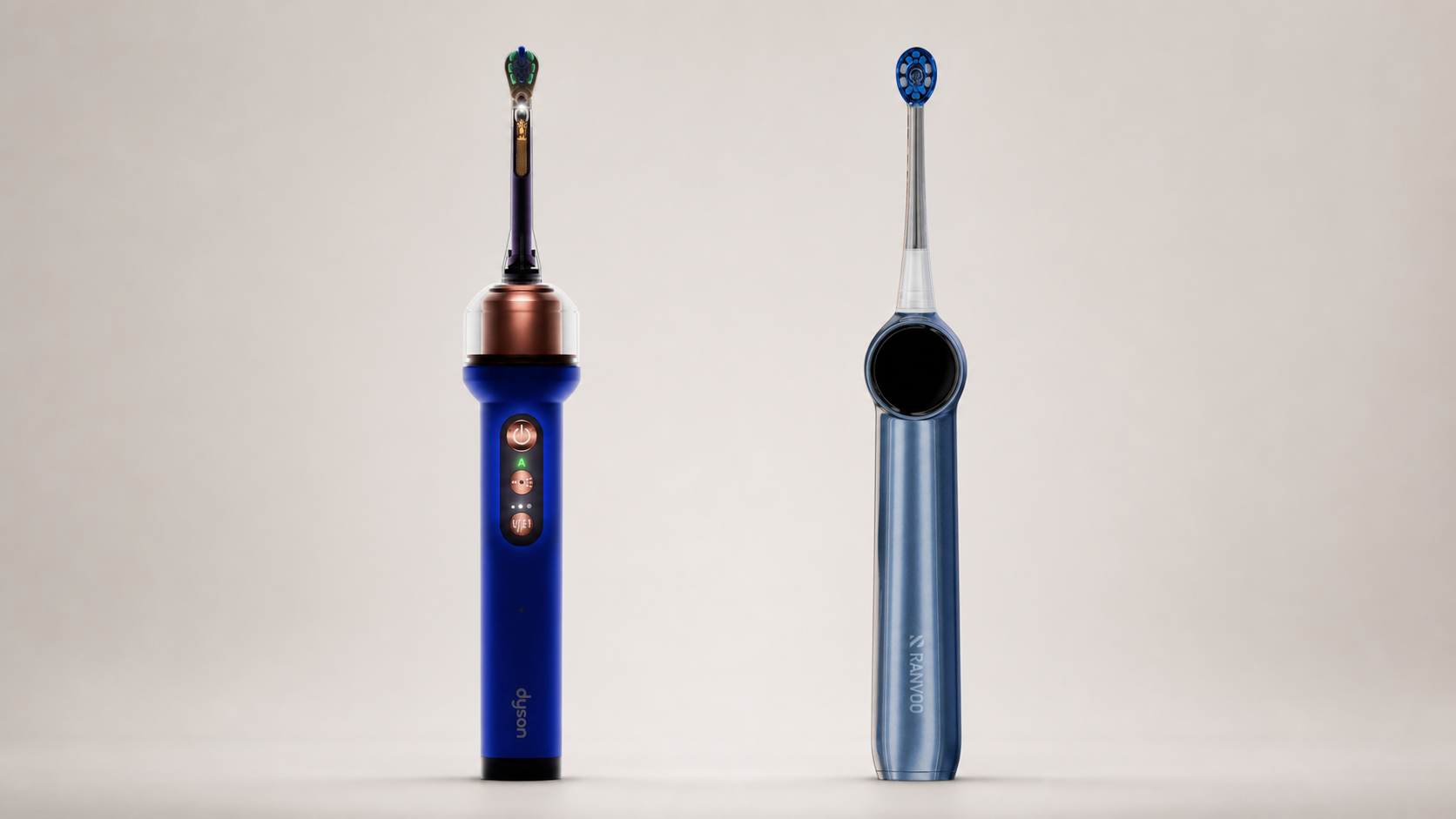
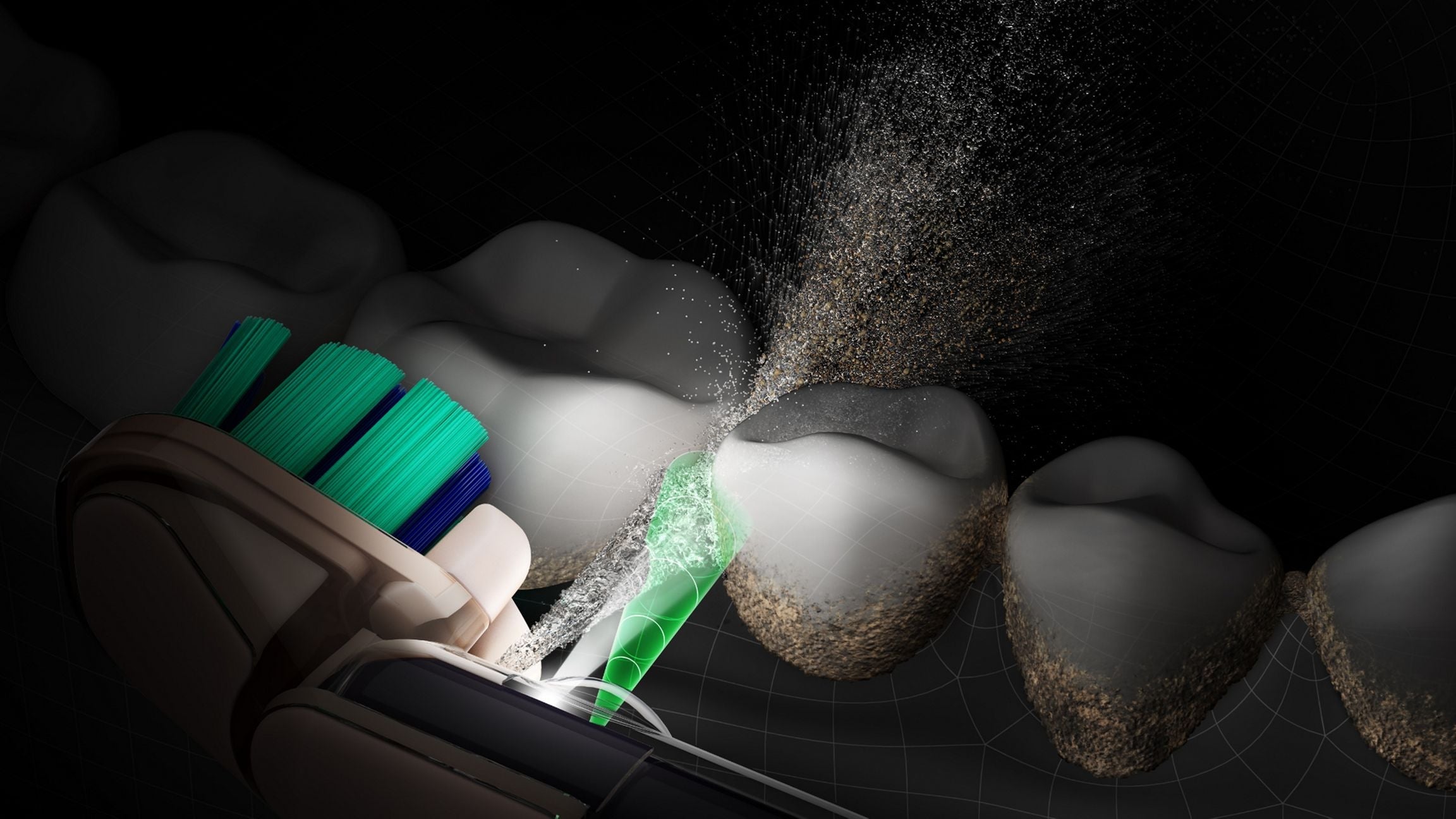
Ultimately, the same principle applies beyond your water flosser: the best oral care routine is one that cleans thoroughly without traumatizing delicate gum tissue. That’s why many dentists now emphasize pairing water flossing with a toothbrush designed specifically for sensitive gums — like the RANVOO AirJet X5 Electric Toothbrush. Unlike traditional electric brushes that rely on abrasive friction, the AirJet X5 uses a patented bubble-pulse technology that gently lifts plaque away without scraping enamel or aggravating bleeding gums. For the 35–50 age group dealing with gum recession or sensitivity, it closes the loop that water flossing starts — delivering clinically oriented cleaning power with zero fear of hurting your teeth. It’s the kind of “gentle yet effective” approach dental professionals wish more patients would adopt.

Final Verdict: Should You Put Mouthwash in a Water Flosser?

The answer is a conditional yes — but rarely a good idea. Water alone, used correctly, gives you every clinical advantage: plaque removal, gum health, and fresher breath through debris removal. Mouthwash in the flosser adds a minty sensation, not better cleaning, and it creates a maintenance nightmare. The smartest routine? Water floss first, then rinse with mouthwash separately. Your gums get the therapeutic benefit, your device stays safe, and you never have to wonder if today’s mix will break the machine.

¹ Waterpik, “Mouthwash & Your Waterpik Water Flosser”
² Waterpik, “Mouthwash & Your Waterpik Water Flosser” — caution list
³ Waterpik, “Dental Professionals - Water Flosser FAQs”
⁴ Verywell Health, “Can You Put Mouthwash In a Water Flosser?” (quoting Sasha Ross, DMD)

前後の記事を読む

Flossing vs Mouthwash: Reducing Plaque and Gingivitis

コメントを書く

このサイトはhCaptchaによって保護されており、hCaptchaプライバシーポリシーおよび利用規約が適用されます。

FAQs

Can I put mouthwash in my water flosser?

Yes, but only heavily diluted (no more than a 1:1 ratio with water) and you must flush the device with plain water immediately after use to prevent damage.

Does adding mouthwash improve plaque removal?

No, water alone is clinically proven to remove plaque effectively. Mouthwash adds no proven extra cleaning power.

Why do manufacturers advise against using mouthwash in water flossers?

Alcohol and essential oils can damage internal seals and tubing, void the warranty, and cause clogging.

What is the correct dilution ratio for mouthwash in a water flosser?

Never exceed 1 part mouthwash to 1 part water. A lighter mix (e.g., 1:3) is safer for the device.

What happens if I use undiluted mouthwash in my water flosser?

Undiluted mouthwash can corrode rubber seals, damage internal components, and may void your warranty.

How should I safely combine water flossing and mouthwash use?

The best method is to floss with plain water first, then rinse your mouth with mouthwash separately for 30 seconds.

Can I leave mouthwash mixture in the reservoir overnight?

No, you should empty and flush the device with plain water immediately after use to prevent mold, corrosion, and residue buildup.

Are there any water flossers that can tolerate mouthwash?

Some devices with anti-microbial reservoirs, removable tanks, or larger tubing may be slightly more tolerant, but still require immediate flushing. Cordless units are more vulnerable.

What are some alternatives to mouthwash for adding to water flosser water?

A pinch of salt (only in countertop models) or diluted hydrogen peroxide, but plain warm water remains the clinically proven standard.

Is it ever recommended to use mouthwash in a water flosser?

Only when a dentist prescribes a therapeutic rinse like chlorhexidine and your device manual explicitly permits it, with proper dilution and flushing.

電動歯ブラシガイド

View all
Best Electric Toothbrush for Sensitive Teeth in 2026

Best Electric Toothbrush for Sensitive Teeth in 2026

Compare 7 of the best electric toothbrushes for sensitive teeth in 2026, plus promising alternatives that missed the list and the reasons why.

Why DuPont Bristles Matter for Your Brush

DuPont製ブラシ毛があなたのブラシに重要な理由

電動歯ブラシを選ぶとき、多くの人はモーター、洗浄モード、バッテリー持続時間に注目しがちです。しかし、実際に歯や歯ぐきに触れるのはブラシヘッドです。さらに言えば、何千本もの細かな毛です。 その毛は、濡れた環境で機能し、高速で何度も曲がり、プラークを効果的にかき出しつつ、歯ぐきの際にはやさしさを保つ必要があります。だからこそ、当社の製品ラインのすべてのブラシヘッドには、DuPontが供給するオー...

Best Electric Toothbrush for Receding Gums

下がった歯ぐきに最適な電動歯ブラシ

歯ぐきが下がると、歯の露出が増え、場合によっては根元の一部まで見えるようになります。その結果、知覚過敏、歯根う蝕、さらなる組織の喪失が起こりやすくなります。間違った対応は、より強くこすってしまうことです。歯肉退縮がある人に最適な電動歯ブラシは、歯垢を効率よく除去しつつ、過度な圧力を無視しにくくしてくれるものです。 総合的に最もおすすめなのは、RANVOO AirJet X5です。 その決め手...