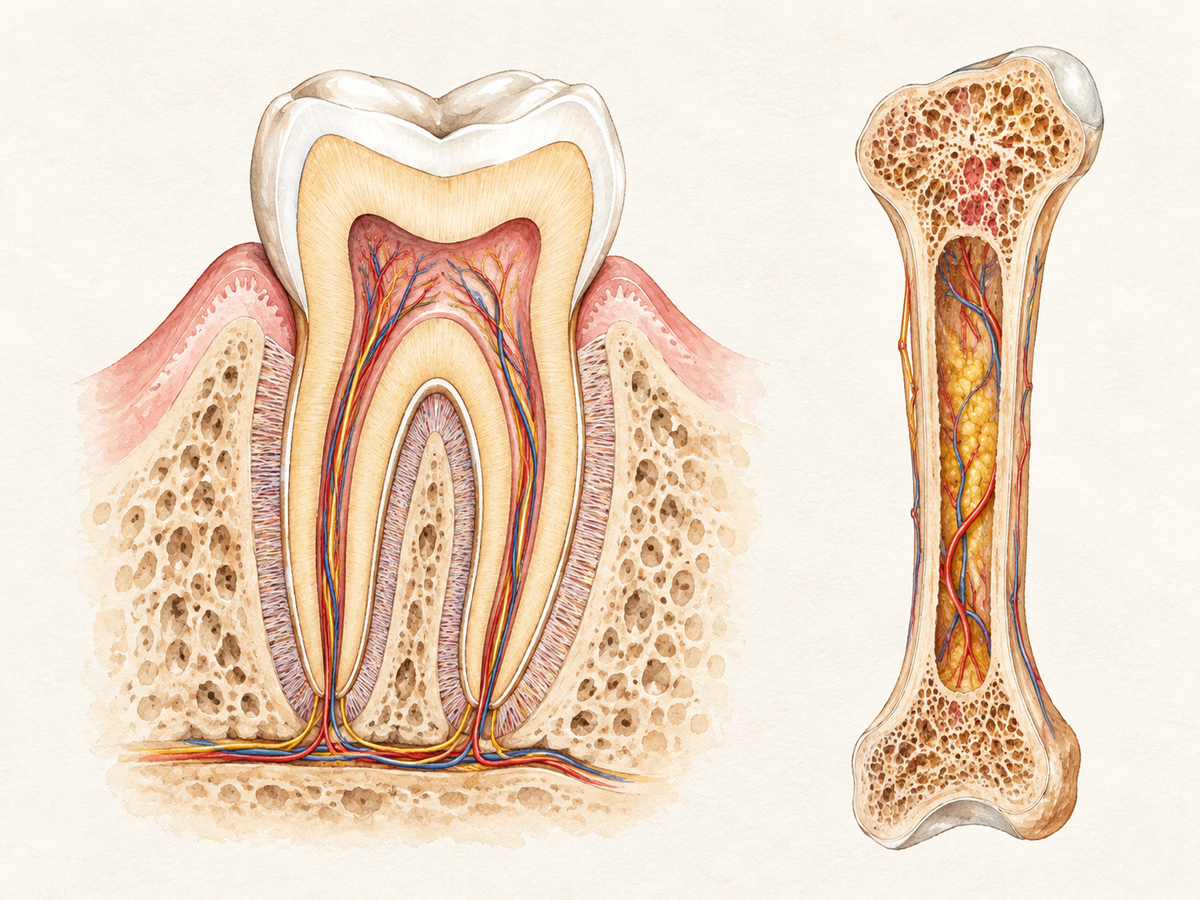
No, teeth are not bones. Both are hard, mineralized tissues, but teeth are separate structures with a different repair system. Bones can remodel and heal after a break. Teeth have living blood vessels only in the inner pulp, and the hard outer enamel cannot regrow, so tooth damage does not repair itself like a broken bone.
The main thing to know: teeth and bones share some minerals and toughness, but teeth do not heal themselves the way bones do.
Quick Answer
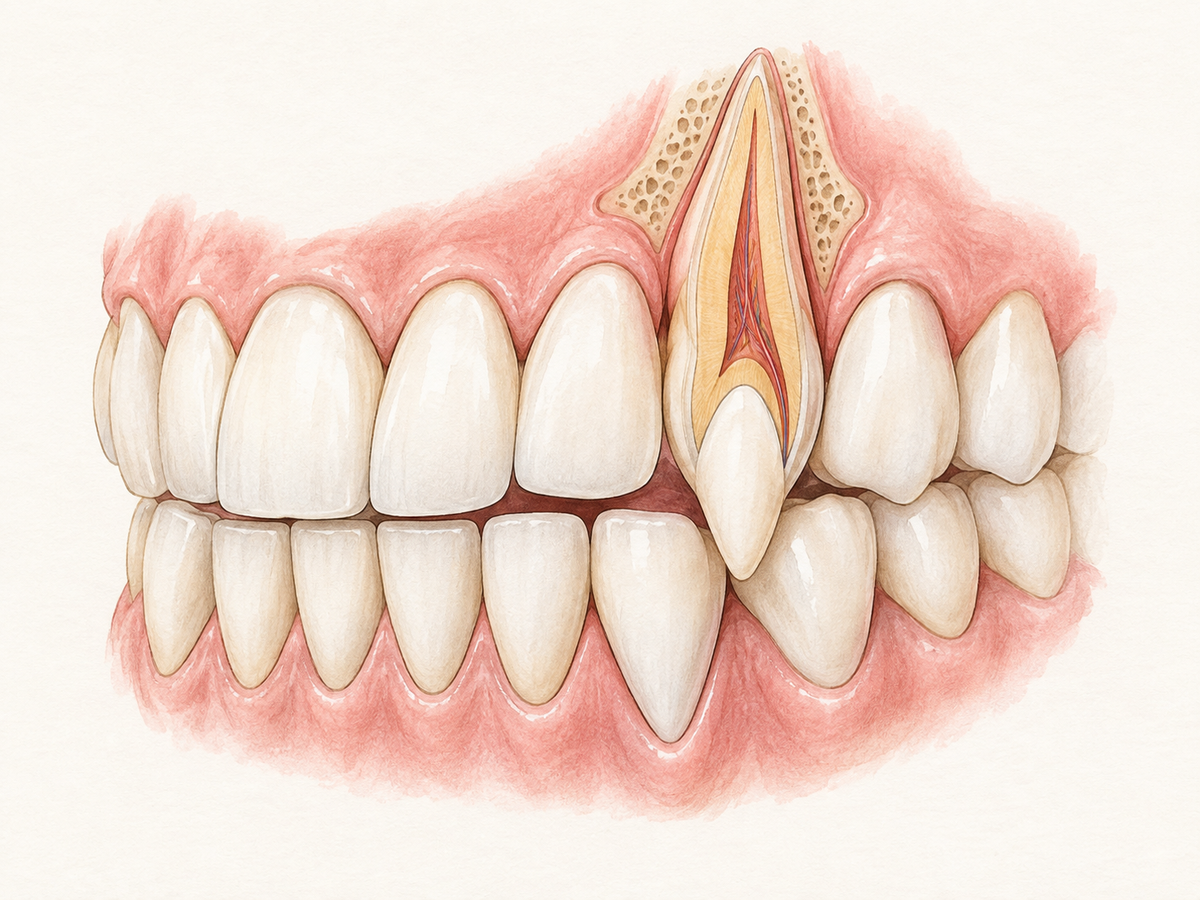
No — teeth are not bones. They sit in the jawbone, but they are not fused to it. A soft-tissue connector called the periodontal ligament holds each tooth in its socket. Bones are living tissue that constantly rebuilds, while tooth enamel has very little ability to repair itself, according to research on mineralized hard tissues. A broken bone can mend, but a cracked tooth or a cavity will not fill itself in.
Why People Think Teeth Are Bones
It is an easy mistake. Teeth and bones are both hard, pale, and contain calcium. They both show up clearly on X-rays because they are dense and mineralized. They are also built from a similar starting material: a calcium-phosphate mineral called apatite, along with proteins, as described in research on demineralization in teeth and bone.
Research on tooth and bone structure also notes that tooth and bone share common chemical components and material characteristics at the smallest scale.
But using similar building blocks is not the same as being the same tissue. The cells, blood supply, and repair system differ.
What Teeth Are Made Of
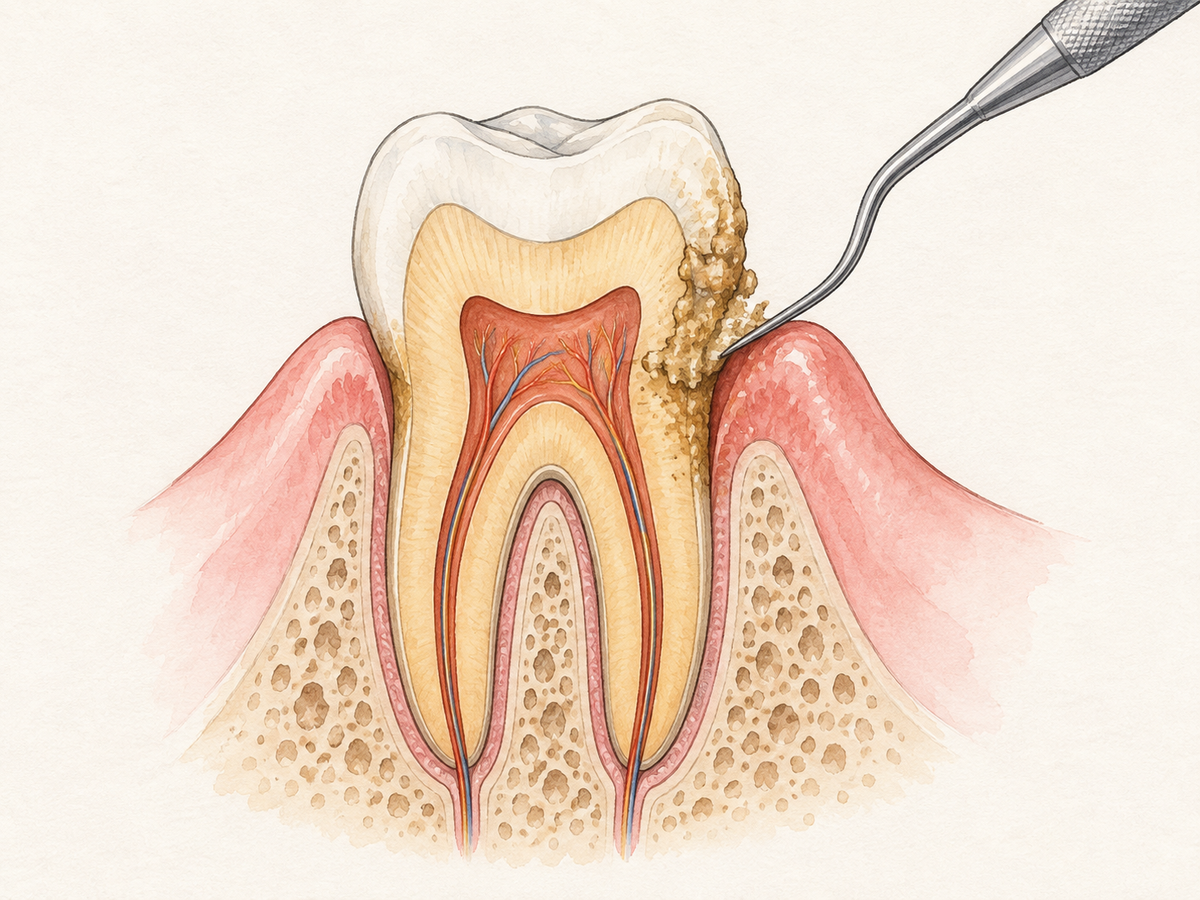
A tooth has four main layers. Each one has a different role.
- Enamel is the hard outer shell you can see. It is about 96 percent mineral, which makes it the hardest tissue in the body, according to a review of human tooth structure. But it is not bone. Enamel has almost no ability to regrow after it is lost.
- Dentin is the layer underneath the enamel. It is less mineralized and has microscopic channels called tubules, as shown in research on tooth layers. Dentin supports the enamel and can carry sensation.
- Pulp sits in the center of the tooth. It contains nerves and blood vessels, which is why deep decay or a crack can cause pain research on the anatomy of teeth.
- Cementum covers the tooth root. It is a thin mineralized layer that is similar to bone in structure but softer than dentin, according to a review of tooth mechanical properties.
These layers show why teeth are not bone. Bone has living cells and blood supply throughout. A tooth’s blood supply is mostly confined to the pulp, while the hard outer enamel has almost no ability to repair itself.
How Teeth and Bones Differ
The biggest difference is repair. Bones are living tissue that continually remodels. The bone around your teeth, called alveolar bone, is constantly remodeled, according to research on periodontal cells and bone remodeling. Teeth do not remodel that way, and enamel has very little ability to regenerate, as noted in research on mineralized hard tissues.
| Feature | Bones | Teeth |
|---|---|---|
| Repair ability | Can remodel and heal after a break | Enamel cannot regrow; cavities and wear do not heal on their own |
| Inside | Contain bone marrow and a rich blood supply | Pulp contains nerves and blood vessels; no marrow |
| Attachment | Bones connect to each other at joints | Teeth are held by the periodontal ligament in a socket, not fused to the jaw |
| Living tissue | Constantly rebuilding throughout life | Outer enamel has almost no repair ability; inner pulp is living |
The periodontal ligament is a small but important shock absorber. It connects the tooth root to the surrounding jawbone and to the cementum. This ligament allows a tiny amount of healthy movement during chewing. It also keeps the tooth from fusing directly to the bone. In humans and other mammals, this ligament-based attachment is different from having teeth rigidly fused to the jaw, according to research on periodontal attachment. Teeth are anchored in bone, not part of the bone.
Why the Difference Matters
Since teeth do not heal like bone, enamel loss is permanent. A broken bone can knit back together. A cavity cannot fill itself in.
There is a useful exception: very early enamel damage can sometimes be stopped or partly reversed before a true cavity forms. Fluoride, sealants, and good cleaning can help arrest early lesions, according to an American Dental Association clinical guideline on nonrestorative treatments. But once decay reaches the dentin and creates a cavity, it generally needs a filling or other restoration, as explained in an expert consensus on managing dental caries. Worn or cracked enamel cannot regrow either, so a crown may be needed to protect the remaining tooth.
That is why daily care matters:
- Brush with fluoride toothpaste.
- Clean between your teeth daily.
- Limit frequent sugary or acidic foods and drinks.
- See a dentist regularly for exams and cleanings.
If you notice tooth pain, sensitivity to hot or cold, a visible hole or dark spot, or a cracked tooth, see a dentist. Waiting for it to heal like a bone can allow the problem to get worse.
Bottom Line
Teeth are not bones. They share some minerals and toughness with bone, but they do not share its ability to repair. Enamel cannot regrow, so cavities, cracks, and wear need professional care. The safest plan is to protect the enamel you have: use fluoride, clean between your teeth, limit acid and sugar, and see your dentist regularly. If you are unsure about a tooth problem, ask a dentist rather than assuming it will repair itself.
この記事は、口腔衛生の専門家による正確性の確認を受けています。本記事は一般的な教育情報を目的としており、個別の医学的助言、診断、または治療の代わりとなるものではありません。ご自身の口腔の健康について疑問や懸念がある場合は、歯科医師、医師、またはその他の有資格の医療従事者にご相談ください。